
It’s Happy hour time again. TGIF and all that. So sit back, relax and check out some interesting reads I’ve come across this week.
Dow 13,000
A big psychological milestone was reached on Tuesday when the Dow climbed above 13,000 for the first time since 2008. Now we just need it to close above 13,000 which might happen today. Up next 14,000, which we haven’t seen since 2007. Just a gut feeling, but when that happens the market will be off to the races with the next big bull market.
Million Mustache March
Proof of how screwy our tax system is, the STACHE Act is being pushed by the American Mustache Association as a way to benefit the economy. So the AMI is asking for a law to be passed that would give up to $250 in tax refunds for Mustached Americans and promoting it with a Mustached March on Washington in April. Continue Reading…
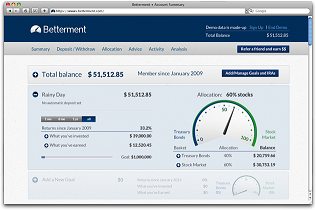 Let’s face it, investing is complicated, time-consuming, and just scary sometimes, especially when it’s looked at for the first time and Betterment believes it has the answer to these problems.
 Last week both the House and Senate approved the payroll tax extension, sending it on to the president to sign into law. Which will happen amid a bunch of hoopla and congratulations about how your elected leaders saved your wallets from the plight of emptiness.
 You can’t go through tax season or
  The biggest reason anyone fails at their finances is because they never really start. Sure, they may get through a few weeks. But then it falls off. We lead busy lives and sometimes we let things slide. So it becomes tomorrow’s problem.