
Novel Investor
  • Home
  • About
  • Invest with Me
  • Resources
  • Peter Lynch on Common Investor Mistakes

    September 16, 2022

    ·

    Jon Petersen, CFP®

    Peter Lynch was a legend who beat the market in a way few greats could do. From 1977 to 1990, he averaged a 29.7% return with the Magellan Fund. It was the best-performing fund of the 1980s.

    And yet, Lynch made mistakes. He jokingly admits to it often. He just did mistakes better than most investors too. Lucky for us, he had a knack for simplifying the difficulties of investing.

    His ability to cut to the heart of what it takes to make money, in the long run, is refreshing. And yet it’s still mostly ignored because the riches don’t come quick enough.

    As a guest on Wall Street Week, in 1990, he explained why patience is key. It was one of several common mistakes he covered during the segment. Be it market timing, predictions, not knowing what you own, or lack of effort, the mistakes are universal. Lynch’s take is a good reminder of the trouble we can get ourselves into at times. Continue Reading…
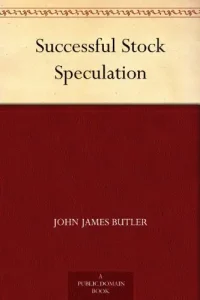

  • Successful Stock Speculation by J.J. Butler

    September 14, 2022

    ·

    Successful Stock Speculation book coverBuy the Book: Print | eBook

    The 1922 investing classic offers an introduction to new investors and sits as a reminder that the basic investment principles have remained the same over the past century.

    The Notes

    Continue Reading…


  • Skill vs. Luck: Failing to Lose

    August 24, 2022

    ·

    Jon Petersen, CFP®

    Purposely losing money in the stock market seems like it should be an easy task. It turns out it takes some luck to lose money in the market. The same goes for making it.

    Michael Mauboussin defines pure skill-based activities as those where you can lose on purpose. Chess is pure skill. It takes years of learning and practice to become just good at chess. However, a master chess player can lose on purpose to anyone.

    Whereas the lottery is pure luck. It’s a random draw. You can pick a series of numbers and hope to lose but there’s always a chance you get lucky and win.

    Investing falls somewhere in between pure skill and pure luck because the amount of noise in the system makes it hard to lose (or win) on purpose in the short run.

    A good example of this is an interesting experiment run by John Rogers and his team several years ago: Continue Reading…


  • Edwin Lefevre: Investor, Speculator, or Gambler?

    August 19, 2022

    ·

    Jon Petersen, CFP®

    Ben Graham often explained the difference between investors and speculators.

    An investor looks for investments that provide safety and a solid return. A speculator tries to profit off market moves.

    Edwin Lefevre had a similar view. Though, he added a third option for good reason. He separated gamblers from speculators because he saw a pattern of gambling emerge during bull markets.

    Here’s how he defined each following the 1929 crash: Continue Reading…


  • Learning the Wrong Lessons

    August 17, 2022

    ·

    Jon Petersen, CFP®

    There’s a risk that investors learn the wrong lessons from recent market cycles. One of the biggest wrong lessons is that the market always quickly recovers.

    Of course, quick recoveries have defined the stock market since the 2008 financial crisis. The 2009 bottom led to the longest bull market ever and the buy the dip mantra (BTFD) grew from that period. The 2020 crash solidified it.

    It would come as no surprise if investors expected recent history to repeat itself. Of course, investors often mistakenly rely on recent history or lived experience to make decisions, as if it’s the only history that matters.

    In fact, Seth Klarman noted this specific false lesson in 2010:

    Bad things happen, but really bad things do not. Do buy the dips, especially the lowest quality securities when they come under pressure, because declines will quickly be reversed.

    Howard Marks shared a similar thought in his book Mastering the Market Cycle: Continue Reading…


  • Phil Fisher: The Art of Holding On

    August 10, 2022

    ·

    Jon Petersen, CFP®

    Selling is the more difficult part of investing than buying. Holding on is even harder.

    Phil Fisher had a philosophy around selling — or rather, not selling — that may be helpful to more than his stock-picking fans. But first, a little background.

    Fisher was the original long-term investor. He just did it in a very highly concentrated way, a side effect of his strategy.

    He’s the guy that influenced Warren Buffett’s transition from Ben Graham’s buying companies at a wonderful price to Buffett’s wonderful companies at a fair price. The key change was essentially paying a higher multiple (but still undervalued price) in exchange for a longer runway.

    That last bit is key.

    Fisher’s philosophy is built on finding the handful of companies that can grow at a sustainably high rate over long periods of time. While the typical Graham investment might have a holding period of one to three years, Fisher’s was decades. Continue Reading…


Previous Page
1 … 55 56 57 58 59 … 235
Next Page

Work with Me

Turn your financial goals into a personalized plan for the life you want with flat-fee financial planning and investment management…and keep more of your money working for you.

Let’s Talk

Get more weekly wisdom.

Sign up for my weekly newsletter. Join 1,000s of readers and never miss a post.

Newsletter Subscribe Form

Learning

  • Investor Library
  • Book Notes
  • Investor Quotes

Return Quilts

  • Asset Class Returns
  • S&P Sector Returns
  • International Stock Market Returns
  • Emerging Markets Returns
  • Historical Returns Data

Connect

  • Bluesky
  • Twitter
  • Facebook
  • RSS Feed
  • Home
  • About
  • Contact

© Novel Investor · All Rights Reserved · Terms of Use · Privacy Policy · Disclaimer