
David Swensen managed Yale’s endowment for 35 years and transformed how institutions managed money. His Yale model took a simple idea and applied an unconventional approach to great success.
Swensen’s simple idea was that time horizon plays an important role in determining asset allocation. The time horizon for college endowments is basically endless. It allowed Swensen to tilt the portfolio to an equity-oriented allocation to take advantage of that extreme long-term view.
While a typical allocation holds a mix of traditional asset classes like U.S. and foreign stocks and bonds, Swensen shied away from that. Instead, his unconventional approach leaned heavily on what is now called alternative investments.
For example, in 2008, only 30% of Yale’s endowment was invested in traditional asset classes. 70% was in real assets, hedge funds, absolute return strategies, private equity, and venture capital. That asset mix allowed him to focus more on the least efficient markets. His goal was equity-like returns over long periods using uncorrelated assets. And it worked!
Swensen knew that every investor has three tools at their disposal to generate returns: asset allocation, market timing, and security selection. Research shows that market timing doesn’t work. In fact, it’s a net negative. It generates higher turnover, higher fees, and fails to do what’s intended. Returns tend to be worse when market timing is involved. Continue Reading…
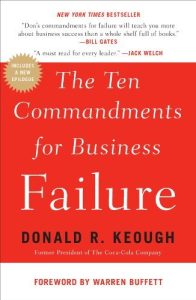 Buy the Book:
  Buy the Book:
  Buy the Book: