
 Are you ready to join the mad rush to the tax deadline or did you finish your return early? There’s about two weeks left to get your return finalized, signed, and sent to the IRS. With that in mind, I’ve put this reminder together with info to help you make the most of your refund and get that tax return in on time.
The Deadline Is Here
Once again, April 15th is the deadline fast approaches. That’s the day your tax return and any taxes owed are due. Or, you can file a tax extension, to get an extra six months. Even with an extension, the IRS still wants that money paid by the deadline. Continue Reading…
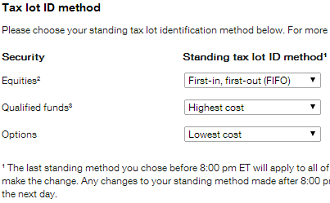 Did you know you might be overpaying capital gains tax on investments because of tax rules that went into effect in 2011? Those new rules changed the way we report capital gains and losses on investments. Under the old rules, it was your job to report cost basis, that’s what you paid for the investment, to the IRS. With the new rules, it’s your broker’s or fund company’s responsibility.