
 One of the most overlooked areas of tax savings is understanding how realized gains and losses impact your taxes. When you sell an investment, calculating cost basis and good record keeping plays a vital role in controlling those savings now and in the future.
To confuse things the IRS made several cost basis reporting changes. It revamped stock basis reporting in 2011, followed by changes in mutual fund, ETF, and DRIPs (Dividend Reinvestment Plans) in 2012.
Some say it makes the process easier. Which it does. Really, it enforces accuracy so nobody fudges their numbers. Good or bad, the changes force you to make cost basis accounting decisions at the time of sale. This is easy enough when you sell all the shares of stock.
But it doesn’t always work out that way. Maybe you want to sell half your shares. Maybe there are reinvested dividends to account for now and the intricacies of mutual fund shares, reinvested distributions, and return of capital. Or you just want to rebalance your portfolio. In other words, it’s complicated.
How you report cost basis directly affects your tax bill, which is the point of this guide. It’s also a big piece of a tax-efficient investment strategy. That is where you can save money by knowing the rules and planning ahead for taxes. Continue Reading…
 There are many do’s and don’ts with investing. Most are pretty straight forward. But some can quickly get you into trouble. Here are five bad investing habits all worth avoiding and a few that can quickly lose your money.
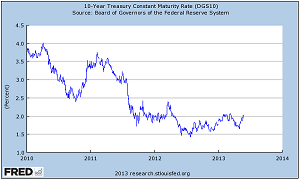 The recent Fed hints at ending QE means rising interest rates. It also means big changes in the markets. Here are several ETFs to protect yourself and invest in as interest rates rise.
 Whether a stock pays dividends may play a big role in your investment strategy. A dividend provides a source of income. It offsets losses. When reinvested, it compounds growth. But this isn’t an argument that dividend paying stocks are better. It’s an introduction to dividends, giving you an idea of what to expect and what to watch out for when owning dividend stocks.