
Welcome to Happy Hour and our 101st post. Something I’d never imagine happening based on how much I never wrote before starting this endeavor. Even piecing together a few words into a phrase was a long shot not too long ago. Anyways, here are some of the more interesting reads I came across this week.
It’s Bacon!
If you happen to live near a Jack In The Box, here is a limited time only opportunity for you. The company has come up with a drink that only Homer Simpson would love, a bacon milkshake. If you are craving a pork smoothie, the new bacon shake won’t be listed on the menu. It’s a secret item, just ask for it when you order.
Filling A Loophole
Our Congressmen and woman will have to find another way to profit on their ability to influence laws, government contracts, and more. While Martha Stewart had to sit in jail after avoiding a $45,000 stock loss, our elected officials have been able to profit from nonpublic government information for decades. This might be coming to an end, if these same elected officials actually approve a bill to end insider trading off of government information. Guess we’ll find out just how greedy they are? Continue Reading…
 There are only two ways of improving your financial situation and neither involves an insurance scam, lottery, gambling, selling a kidney, or a myriad of other legal or illegal activities. In fact both are covered abundantly on finance blogs and websites. Yet the topic is skirted around rather than just getting to the point.
 The Facebook IPO news is rolling strong this year as one of the biggest IPOs since Google went public years ago. It’s not surprising really, with 800 million people using the social site and the billions of dollars the IPO will generate for early investors and employees. Just think of all the new millionaires and billionaires that will be added to Forbes richest people list once the company is public. Which is the real reason behind the Facebook IPO this year and a great lesson in tax planning.
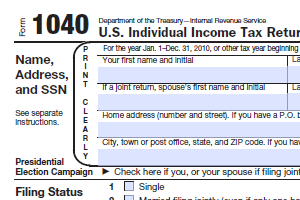 Doing your taxes every year is hard enough with the difficulties of the tax code. It certainly doesn’t fit the category of exciting weekend plans. Which explains why most people put off the inevitable till the last-minute. A great idea if you still owe taxes. But if a refund is heading your way, this weekend is a great time to knock out your taxes and get that money in your hands quicker.