
Editorial cartoonists capture important moments in time. It’s usually around politics or world events but on rare occasions the stock market seeps into the discourse and takes it over. And editorial cartoons present it in a funny or thought-provoking way.
Below is a sampling of many cartoons I’ve collected over the years. Some highlight major market events. Some offer a window into how markets operated at the time. Others give you a picture of the human side of markets — the optimism, the chase for easy money, the uncertainty, and the regret.
***
J.P. Morgan orchestrated the U.S. Steel organization in 1901. It was the first billion-dollar company in the US. It would kick off a slew of organized mergers into monopolist trusts. Some were skeptical.

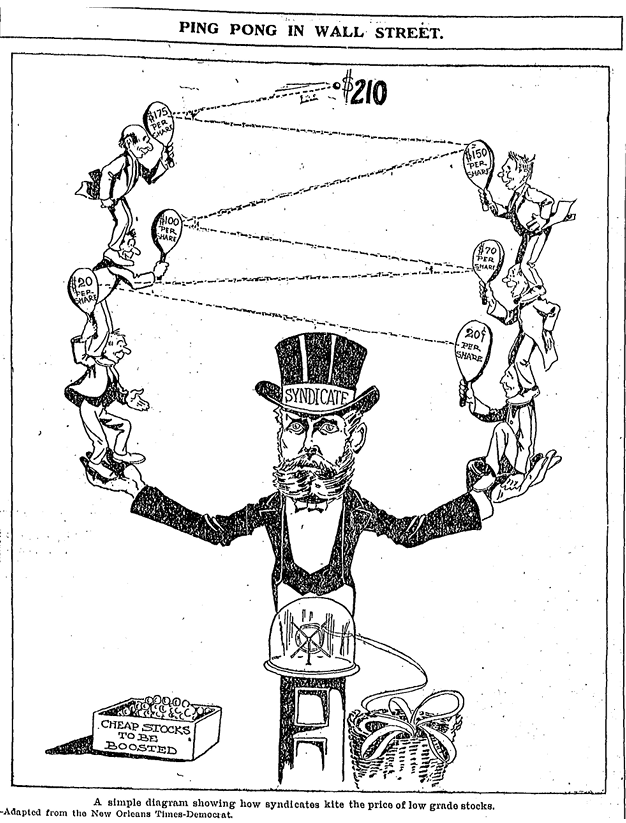
Less than a year later, one cartoonist described how stock pools and syndicates manipulated stock prices to their benefit and the detriment of others. It was perfectly legal. It was also obvious…to the cartoonist, at least.
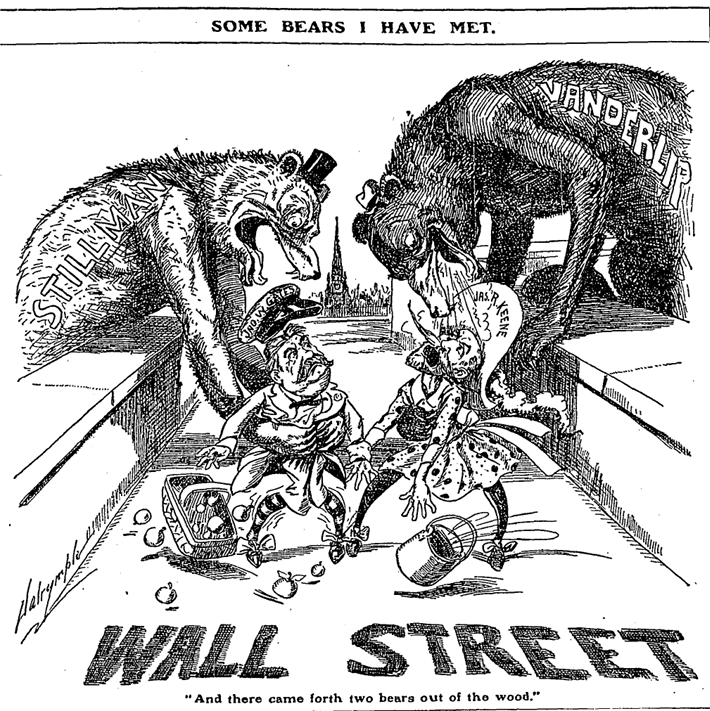
The same year, a cartoon captured four titans — Stillman, Vanderlip, Gates, and Keene — battling on Wall Street.
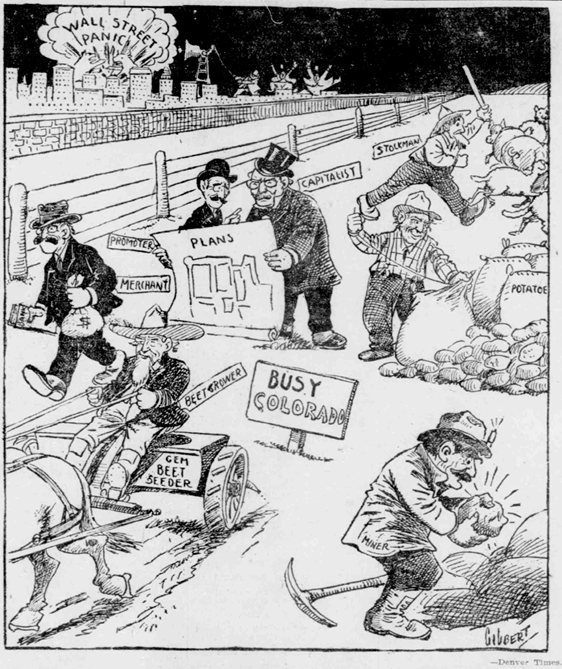
The Panic of 1907 began with the collapse of the Knickerbocker Trust. J.P. Morgan ended it. He organized a bailout to keep bank solvent and maintain confidence in the system. Seems, folks in Colorado were unfazed by it all (according to the Denver Times).
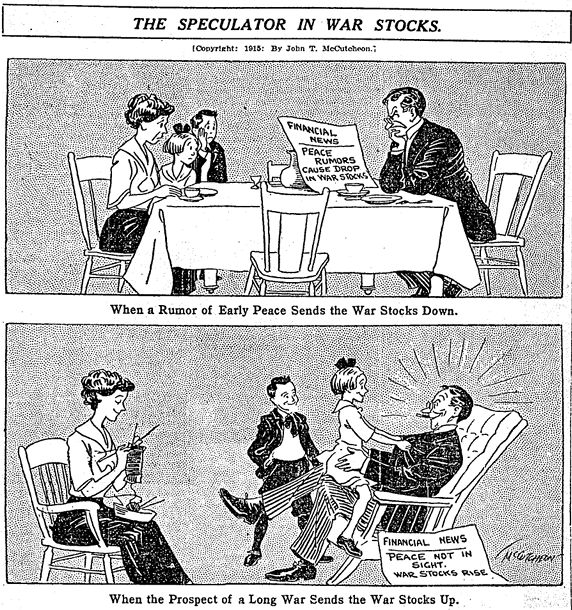
WWI brought a boom on Wall Street as U.S. manufacturers supplied the allies in their war effort.
Talks of permanent prosperity found its way into cartoons in 1929.

The stock market and the hottest stocks were a topic of regular discussion. Even babies discussed Anaconda Copper.

Within three months, the 1929 market crash was over and speculators got crushed.

The easy money was gone.
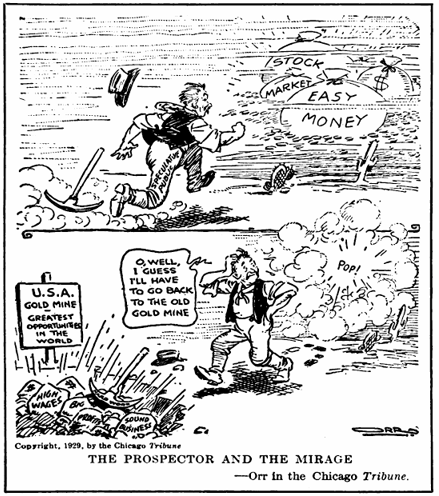
But people were cautiously optimistic going into 1930. The crash was an isolated event, they said. Business was still good…despite what the market prophets said (though, prophets guess right sometimes).


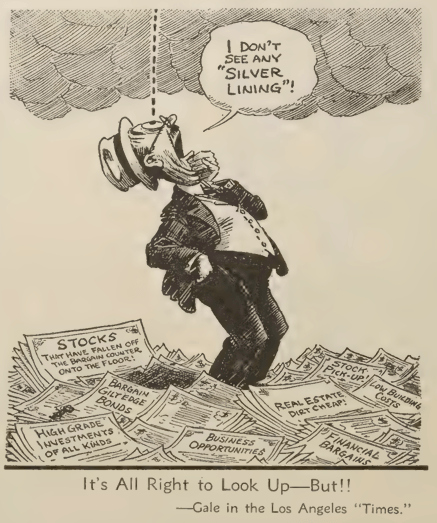
The stock market slide continued through 1931. “Bargain” stocks were available, but few were buying…and knew they’d regret it later.

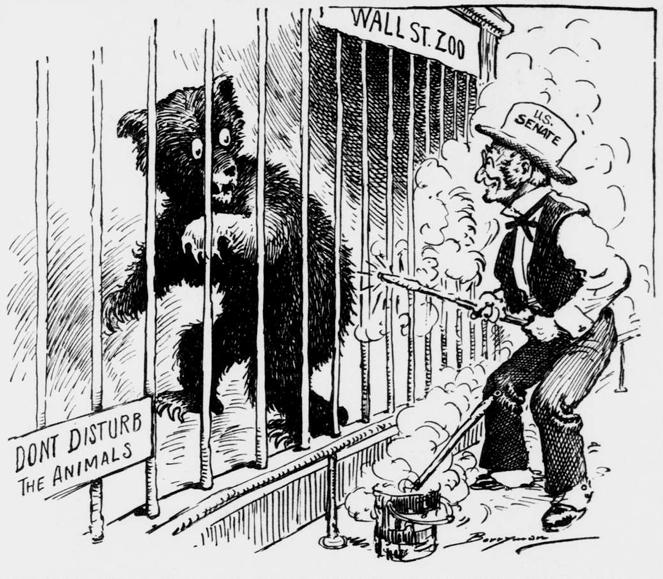
“Bear Gamblers” or short sellers were blamed for why the market failed to go up.


The “bargain” stocks in 1931 got “dirt cheap” in 1932 but still few bought.
By 1932, politicians had enough. The U.S. Senate opened an investigation into the 1929 crash. The Pecora investigation shed light on the inner workings of Wall Street and put several bear raiders on public display.

July 1932 the stock market hit bottom. Business conditions were improving.
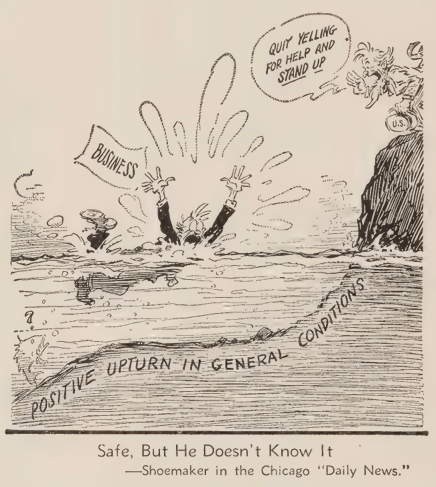
The “baby bull market” rally was celebrated…sort of.

Foreign investors got the credit.

The bull market continued into 1936. Concerns of a repeat of ’29 came with it.

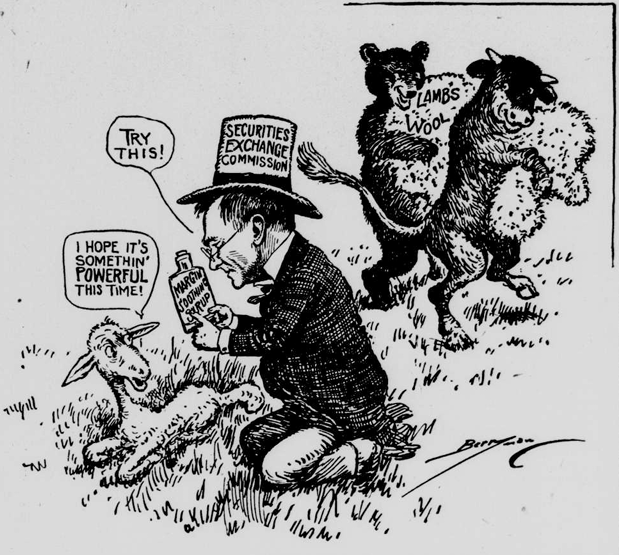
They were right to be concerned. The market dropped amid an economic recession in 1937. Only, this time the SEC existed.
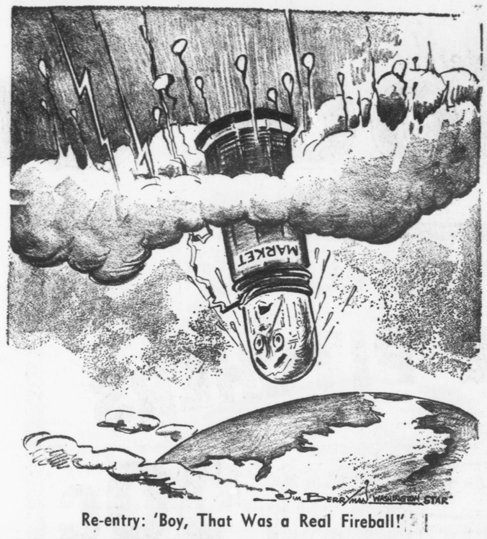
The next major crash didn’t come until 1962. The Flash Crash or Kennedy Slide was months long decline of 22%.
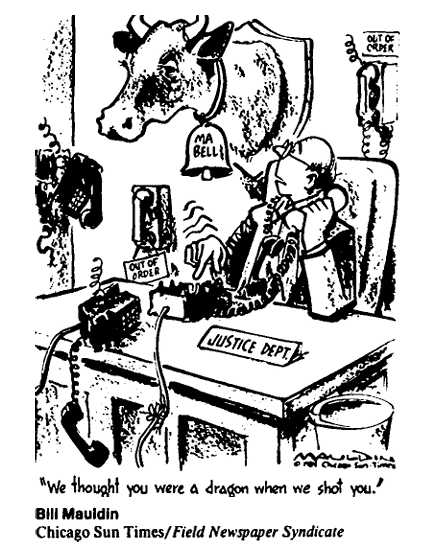
Ma Bell, AT&T, had been around longer than U.S. Steel. In 1984, it was broken up.
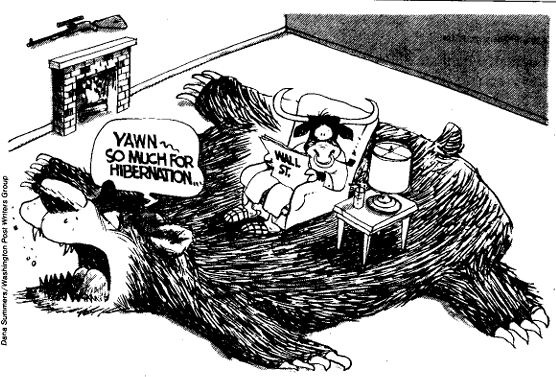
The 1987 crash woke up the bear early.
Related Reading: