
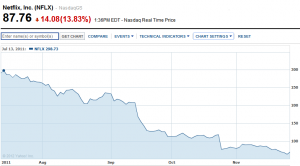
Shorting a stock is a high risk, high reward strategy. It goes against the market trend. It’s unnatural.
Everyone and their brother wants the market to go up, not the short seller. Shorting a stock is not the popular choice, but there are profits in going against the crowd.
Most of our investments go like this: we buy shares of a stock or ETF. Those shares will rise in value because our research says so. Then we’ll sell, make a cool profit and move to the next investment. That’s the simplified version. Shorting a stock or a short sale is the opposite.
What is a Short Sale?
The SEC defines shorting a stock as:
A short sale is the sale of a stock that an investor does not own or a sale which is consummated by the delivery of a stock borrowed by, or for the account of, the investor. Short sales are normally settled by the delivery of a security borrowed by or on behalf of the investor. The investor later closes out the position by returning the borrowed security to the stock lender, typically by purchasing securities on the open market. Continue Reading…
 Being a green investor is just one area of social responsibility that has taken hold in recent years. Corporations have found it easier, if not necessary, to embrace a more environmentally friendly view on business. Sometimes this comes at the cost to profits, but technology improvements and lower costs have made it a much more practical and stockholder friendly view.
 There’s a sucker born everyday and that’s the basis for the greater fool theory. When enough fools jump on an asset bandwagon, it can look like an unstoppable force and a bubble is born.