
 When it comes to saving money, sometimes it can be easily overlooked in these debt focused times. Deservedly so, paying down debt has its importance. Typically, with any budget, money is set aside each month for all the bills and other monthly costs. Leaving savings to sometimes take a backseat to those credit card bills or student loans. Which only puts off those savings goals another month. Before long that vacation fund is four months short and sitting on a beach in December is looking very unlikely.
There’s a reason company retirement plans tend to work well from a savings perspective. How many 401k deposits can you miss when the money is taken out before you get paid. It’s basically an automatic bill pay for your retirement account. As long as you show up for work, your retirement savings gets it’s monthly payment.
A Lesson From The Past
As a kid getting any amount of money is a big deal. It can be hard to grasp what things cost and how it relates to the value of the dollar. So, even getting a few quarters can be exciting. At least it was when I was growing up. A quarter back then got me a game of Pac-Man or a bunch of candy. Continue Reading…
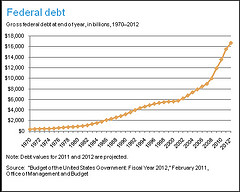 There’s been a singular view that has swept through the nation over the past few months since the debt debacle back in August. Apparently the U.S. has too much debt. The U.S. government currently has over $15 trillion in outstanding debt obligations. Some view it as excessive, wanting it paid down to a reasonable level. Others believe it should be eliminated entirely.
 So you’re thinking about investing in stocks? There’s a lot to consider before finally taking the plunge into individual stocks. Additional risk factors, new learning curve, costs involved, liquidity and where to start, are just a few of the concerns. But when you finally boil it all down, the biggest thing to consider before buying stocks is time. Do you have the time? There’s a finite number of hours each week. Are you willing to give up some of them to manage your money?
 The idea of a referendum deciding the fate of a debt bailout plan and a country is interesting. But is there enough financial literacy for it? If the voters are deciding their countries fate, their financial literacy should be called into question before a referendum is called. Something that didn’t happen in Greece and the markets didn’t like it. In a normal time, Greece would be just another country in the world with problems. But these aren’t normal times.