
The entire concept of owning part of an NFL team sounds pretty cool, until you realize it’s the Green Bay Packers. Having lived in the Chicago area all my life I’m still surviving off the fumes of the Super Bowl Shuffle. Which should offer some explanation toward my anti-Packer stance. That said, if the Bears offered a similar gimmick stock offering, I might think twice about buying shares, until I saw the price.
The $250 Super Fans Dream
What’s the #1 item on all the Packer super fans Christmas lists this year? Yep, stock in the team and starting today it’s on sale for the low, low price of $250 per share plus $25 shipping and handling. Limit 200 shares per customer.
There’s something to say about the timing of all this. Certainly the shares should sell well. As much as I hate myself for saying it, the team’s actually playing better than last year. But the fact the shares are on sale right before the holidays should give you an idea of what they actually are. Just a good gift. Something to hang on the wall and point to when your Packer friends come over. Continue Reading…
 When it comes to saving money, sometimes it can be easily overlooked in these debt focused times. Deservedly so, paying down debt has its importance. Typically, with any budget, money is set aside each month for all the bills and other monthly costs. Leaving savings to sometimes take a backseat to those credit card bills or student loans. Which only puts off those savings goals another month. Before long that vacation fund is four months short and sitting on a beach in December is looking very unlikely.
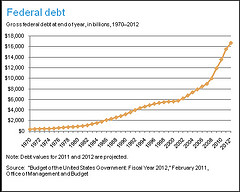 There’s been a singular view that has swept through the nation over the past few months since the debt debacle back in August. Apparently the U.S. has too much debt. The U.S. government currently has over $15 trillion in outstanding debt obligations. Some view it as excessive, wanting it paid down to a reasonable level. Others believe it should be eliminated entirely.
 So you’re thinking about investing in stocks? There’s a lot to consider before finally taking the plunge into individual stocks. Additional risk factors, new learning curve, costs involved, liquidity and where to start, are just a few of the concerns. But when you finally boil it all down, the biggest thing to consider before buying stocks is time. Do you have the time? There’s a finite number of hours each week. Are you willing to give up some of them to manage your money?