
 The markets came back to reality this week. Many blamed it on the election results. Despite your political leanings, there’s been this fiscal cliff to deal with all year. And apparently Europe still has problems too. The concern going forward lies with the possible effects of expiring tax cuts. You can read all about the potential tax rate changes here.
This fiscal cliff, as it stands, leaves a big question mark on our economic future. Actually, it’s pretty specific about what happens. What throws a wrench into things is Congress and the President are finally addressing it now. And the market, in its infinite wisdom, can’t survive long on predictions and hearsay. The market needs facts. And this fiscal cliff is a big steaming pile of uncertainty as it stands today.
The Fiscal Cliff
The biggest concern is taxes and how much you’ll owe next year. So I’ll clear it up now. You will still pay taxes. How much is the question. So what exactly does the market and investors need to know?
The fiscal cliff currently stands to raise taxes across the board and enact forced budget and spending cuts by the government to reign in debt. Overall it looks something like this: Continue Reading…
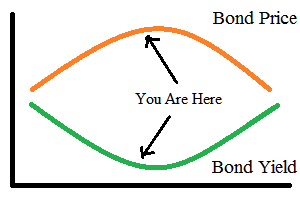 For the past four years investors have been on a quest for higher yield as the Fed has pushed rates lower to spur economic growth. It’s been a double-edged sword. With savers being gouged by lower rates, investors have thrown risk out the window in search of higher yield. Since 2007, over
  The stock market doesn’t close unexpectedly very often. If anything, it’s consistent in only closing on the weekends and federal holidays. But every once in a while, it has to make a rare, unexpected closure.
 The IRS increased the amount you can save for retirement with a slight boost to the 401k contribution limits for 2013. Every year the IRS must calculate cost of living adjustments for the 401k and other retirement related plans when the CPI (Consumer Price Index) hits a certain threshold.