-
Hedgemanship by Conrad W. Thomas
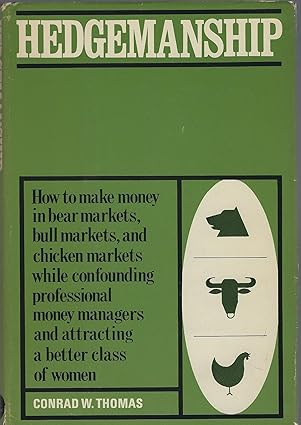
Hedgemanship provides an account of the rise in popularity of hedge funds in the 1960s. The early success of Alfred Winslow Jones, the basic hedge fund philosophy, and the losses in the 1969 bear market are covered.
-
The Great Salad Oil Swindle by Norman C. Miller

The Great Salad Oil Swindle tells the wild story of how Tino De Angelis grew a vegetable oil company into an industry leader only to be uncovered as one of the largest fraud cases in the 20th century.
-
A Week in Wall Street by Frederick Jackson
Published four years after the Panic of 1837, the author’s often satirical view of Wall Street describes the stock manipulations and other typical workings of Wall Street from the bubble years through the panic.
-
How to Win in Wall Street by A Successful Operator
Published in 1881, How to Win in Wall Street offers some historical context around U.S. financial markets, and the enduring role human nature plays within it, alongside timeless investing wisdom.
-
The Pleasure Was All Mine by Fred Schwed Jr.

Fred Schwed Jr. is a Wall Street broker turned humorist. His memoir is filled with wit and wisdom about the nicer parts of his life and the people and events that influenced him.
-
Medici Money by Tim Parks
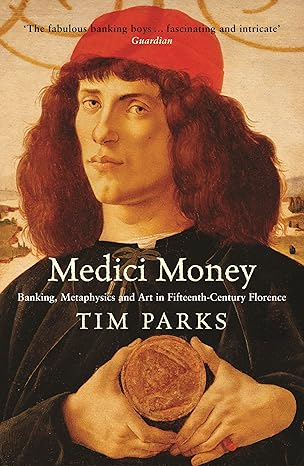
Medici Money chronicles the the history of the Medici Bank, from its founding to its complex structure, the wealth and power that came with it, and its ultimate demise, in a world where usury was sinful.
-
The New York Stock Exchange in the Crisis of 1914 by H.G.S. Noble
Henry Noble was the President of the NYSE in 1914. His book details the events that led to the longest closure of the exchange in its history, how they dealt with problems that arose, and the decision to reopen.
-
The Laws of Simplicity by John Maeda

The Laws of Simplicity cover the intersection of design, technology, and business. It offers ten guiding principles for designing simpler systems.
-
The Lords of Creation by Frederick Lewis Allen
Frederick Lewis Allen chronicles the rise of big business and financial markets in the United States from the 1890s to the 1930s and how it changed the country.
-
Innumeracy by John Allen Paulos

Through anecdotes and statistics, Innumeracy shows why math is important. Numbers can be used deceptively and, more important, a poor sense of math and disregard for probabilities can lead us to deceive ourselves and bias our decisions.
-
The Art of Worldly Wisdom by Baltasar Gracián
First published in 1647, the book contains 300 aphorisms on human nature and, more importantly, how to make your way in this crazy world. Notes based on the Joseph Jacobs translation in 1892.
-
The First Crash: Lessons from the South Sea Bubble by Richard Dale

The South Sea Bubble was the first to be felt internationally. The events surrounding the South Sea scheme offer lessons around bubble behavior that are still relevant today.
-
Ergodicity: Definition, Examples, & Implications by Luca Dellanna
The book offers a crash course on the concept of ergodicity. Through simple examples, the author shows the importance of recognizing debilitating risks from recoverable risks and why survival matters more than performance for long-term success.
-
My Life and Work by Henry Ford

Henry Ford tells his life story and the founding of the Ford Motor Company. He shares the business philosophy and practices that transformed manufacturing and dominated the emerging auto industry.
-
Fortune Tellers: The Story of America’s First Economic Forecasters by Walter Friedman

Fortune Tellers presents five biographies of prominent forecasters of the 1920s. Each one rode the wave of U.S. economic prosperity and market speculation only to fall from grace as their inability to see the future was realized.
-
The Autobiography of Andrew Carnegie by Andrew Carnegie
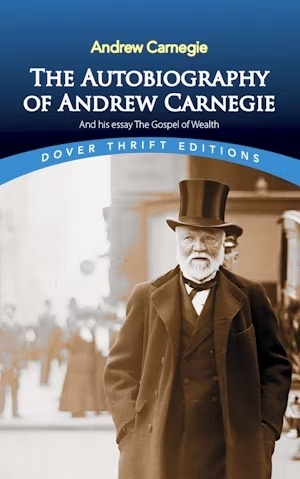
Andrew Carnegie was a steel magnate, financier, and philanthropist. His story tells how a kid from Scotland, who started as a bobbin boy in a cotton factory, built the biggest steel company in America and became one of the richest men in the world. Then he gave it all away for the betterment of society.
-
Maxims for Thinking Analytically by Dan Levy

The book is a collection of Richard Zeckhauser’s maxims for better decision-making. The maxims act as mental models to help understand and simplify a problem, handle uncertainty, and make decisions.
-
The First Million the Hardest: An Autobiography by Arthur B. Farquhar
Arthur Farquhar rose from apprentice to partner to sole owner of a global agricultural company in the 19th century. His autobiography tells the story of business and life during the Civil War through 1921.
-
The Greatest Minds and Ideas of All Time by Will Durant
This book is a compilation of Will Durant’s essays and lectures. His personal lists of the greatest thinkers, poets, books, peaks of human progress, and dates offer a journey through world history.
-
To Engineer is Human: The Role of Failure in Successful Design by Henry Petroski
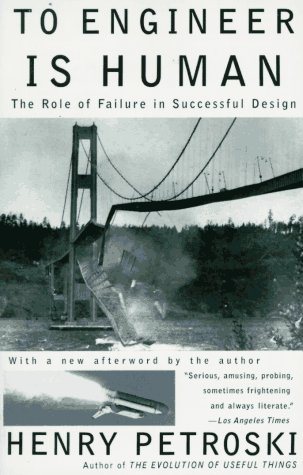
Henry Petroski, through historical examples, explains the paradox of the engineering design process. Successful designs bring an opportunity to take risks and stretch the limits of design while each failure is an opportunity to learn and innovate on the next one.
-
How to Avoid Losses in Your Investing by FPS
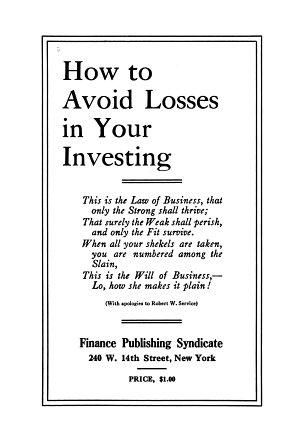
The book, published in 1920, shows how little human nature changes in markets, especially around speculation, gambling, and greed. It also offers historical context on how markets operated pre-SEC and warns about the dangers of widespread leverage that led to the 1919 to 1921 crash and the 1929 bubble and bust a decade later.
-
Invention and Innovation: A Brief History of Hype and Failure by Vaclav Smil

Vaclav Smil digs through the history of invention to focus on the failures — the innovations that started out promising but ended disastrously, that were the next big thing but fell far short of the hype, or have been overhyped for decades but are still more science fiction than reality — and the lessons that…
-
The Endurance: Shackleton’s Legendary Antarctic Expedition by Caroline Alexander

Sir Earnest Shackleton’s expedition to be the first to cross Antarctica in 1914 turned into a 20-month ordeal trapped in an ice pack, their ship crushed, and the desperate attempt to save themselves as the pack broke up. It’s a story of endurance and survival.
-
Buying Disney’s World by Aaron Goldberg

Walt Disney wanted a second chance to recreate Disneyland the right way — bigger, better, and with total control of the surrounding environment. He found that opportunity in Florida. The story of Walt Disney World is one of big dreams, secrecy, and financial ingenuity.
-
Ubiquity: Why Catastrophes Happen by Mark Buchanan
Ubiquity tells the story of dynamic complex systems. It explains how some systems in the world organize themselves on the edge of instability which can lead to catastrophic outcomes like earthquakes, forest fires, financial crashes, and more.
-
The Victorian Internet by Tom Standage
The Victorian Internet tells the history of the invention of the telegraph. The story covers the early use of the optical telegraph, the creation of the electric telegraph, and how the new technology reshaped society and industry.
-
Make Something Wonderful by Steve Jobs

Make Something Wonderful is a personal collection of Steve Jobs’s emails, writing, speeches, and interviews from throughout his life. The work offers a behind-the-scenes look into his thoughts on creativity, technology, and business.
-
How We Know What Isn’t So by Thomas Gilovich

Thomas Gilovich looks at why we form questionable or inaccurate beliefs and why we hold onto them. Through research and examples, he identifies cognitive biases we all share that distort our beliefs and decisions.
-
The Buffett Essays Symposium by Lawrence Cunningham

The Buffett Essays Symposium is an annotated transcript of a 1996 symposium held in concert with the release of The Essays of Warren Buffett to discuss Buffett’s thoughts on corporate governance, M&A, investing, accounting, and more found in his shareholder letters.
-
Immoderate Greatness: Why Civilizations Fail by William Ophuls

Immoderate Greatness summarizes the dynamics behind a civilization’s lifecycle, particularly its downfall. William Ophuls discusses the six common factors that drove the decline and demise of major civilizations throughout history.
-
Men and Rubber: The Story of Business by Harvey Firestone
“Men and Rubber” tells the story of the early automobile industry and how Harvey Firestone built a small tire company into a leader in the industry. His autobiography offers timeless insights into starting and running a business.
-
American Business History by Walter Friedman

American Business History is a brief but dense introduction to U.S. businesses from the early colonies to the present day and what made the U.S. environment so unique and dynamic compared to the rest of the world.
-
Value Investing Makes Sense by Jean-Marie Eveillard
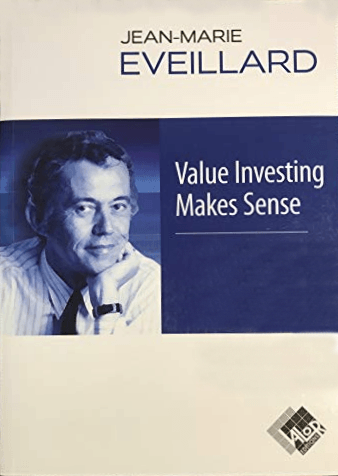
Jean-Marie Eveillard explains why value investing was the reason for his long-term success. From his introduction to Ben Graham to his transition to a Buffett-style approach, he shares the investing principles and experiences that led to a successful career.
-
The Panic of 1907 by Robert Bruner & Sean Carr
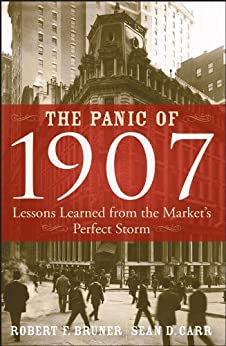
The authors tell the story of the Panic of 1907 and how fragile complex systems can be. The authors recount the events that led up to the panic, the actors that pushed it to the brink, the efforts taken to halt it, and the aftermath that led to the creation of the Federal Reserve.
-
The Autobiography of Charles Darwin by Charles Darwin
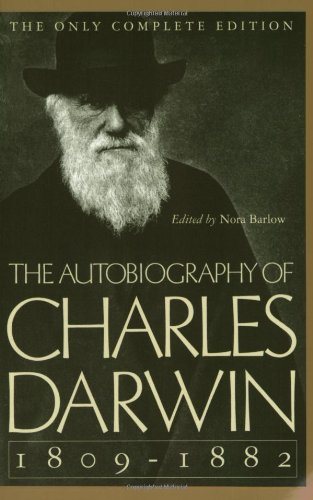
Charles Darwin’s autobiography is a brief summary of his life. He touches on his research, learning process, writing process, and the characteristics behind his success. It was written for his family and never meant for public consumption.
-
Little Bets by Peter Sims
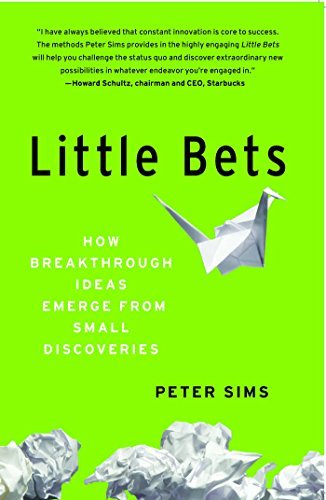
Little Bets describes the process innovators often go through. Innovation is the byproduct of dozens to hundreds to thousands of small successes and failures that allow innovators to learn and adapt and achieve a successful outcome.
-
The Art of Execution by Lee Freeman-Shor

Freeman-Shor studied over 1,800 investments made by fund managers under his leadership to see if there were similar habits that led to their success or failure. He shares the common habits found around losing and winning investments that improved and hurt returns.
-
100 to 1 in the Stock Market by Thomas Phelps
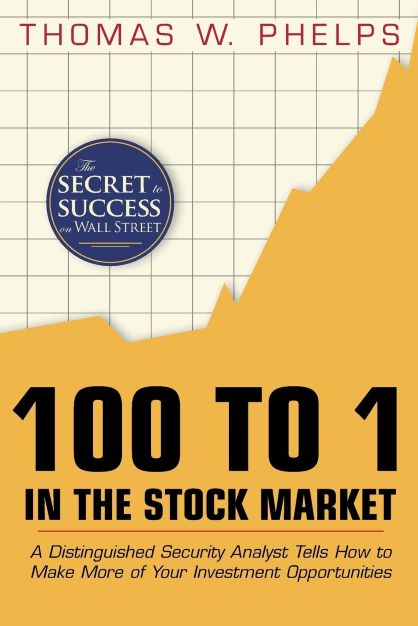
Thomas Phelps studied past companies in existence from 1932 to 1971 that grew at least 100 times in size to see what they had in common. He shares the key characteristics found in compounding machines as well as the key traits investors need to invest for the long run.
-
The Great Crash 1929 by John Kenneth Galbraith
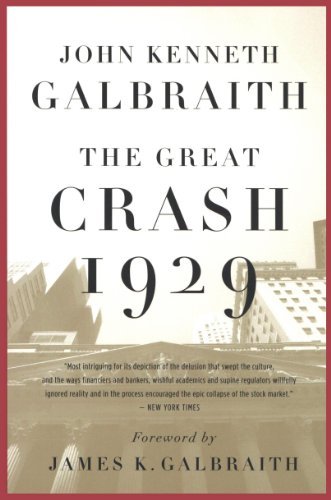
The Great Crash was a defining moment in market history. Galbraith breaks down the events that led to the speculative excess of the late 1920s, details the last wild year, and the market’s collapse. It’s a warning for when the next speculative bubble comes around.
-
Memos from the Chairman by Alan Greenberg
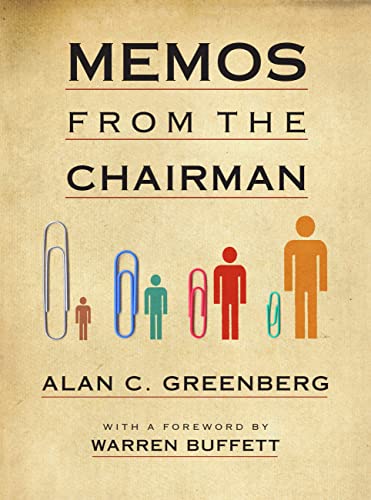
Alan “Ace” Greenberg became CEO of Bear Stearns in 1978. His witty, humorous memos, covering two decades, set the tone, maintained morale, and repeated his simple business philosophy backed by common sense.
-
The Ten Commandments for Business Failure by Donald Keough

Donald Keough inverts the question “How to succeed in business?” He looks back on numerous mistakes in his sixty-year career and identifies common factors that led to business failure so you avoid the same fate.
-
The Memoirs of Walter J. Schloss by Walter Schloss

Walter Schloss shares stories and lessons from his life growing up in New York, getting his first job on Wall Street, enlisting in WWII, returning to work for Ben Graham, and successfully running his own partnership for 47 years.
-
Wall Street Under Oath by Ferdinand Pecora
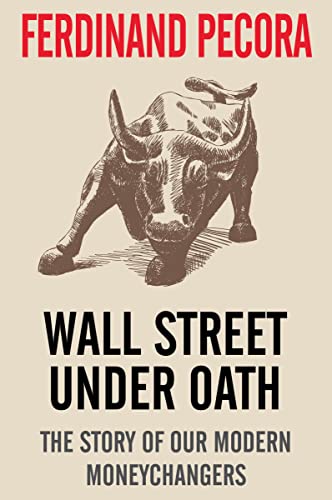
Ferdinand Pecora was the counsel for the Senate Committee on Banking and Currency investigation in 1933. His book lays out its findings on the widespread speculative, and manipulative, stock market practices leading up to 1929 and the market crash that followed.
-
Systemantics: How Systems Work and Especially How They Fail by John Gall

Systemantics humorously describes how complex systems work and why they are far from perfect. The author’s systems axioms, listing the possible flaws and failure points, are reasons why humility and skepticism, rather than confidence, are needed when dealing with systems.
-
The Cycles of Speculation by Thomas Gibson
Thomas Gibson’s 1909 classic breaks down the market cycles of the 1800s, the speculative behavior behind them, and the typical errors speculators make each step of the way.
-
Successful Stock Speculation by J.J. Butler
The 1922 investing classic offers an introduction to new investors and sits as a reminder that the basic investment principles have remained the same over the past century.
-
Your Complete Guide to Factor-Based Investing by A. Berkin & L. Swedroe
The guide digs into the growing factor zoo to find the factor premia worth considering in a portfolio. The authors introduce five criteria any factor should meet, discuss the seven factors that qualify, and why other factors fall short of consideration.
-
Lessons from Century Club Companies by Vicki TenHaken

Lessons From Century Club Companies breaks down 10 years of research to find the unique characteristics behind companies that have survived and thrived for over a century.
-
High Returns from Low Risk by Pim Van Vliet
The book looks at the persistence of the low-volatility anomaly throughout market history. The author explains why the anomaly exists and how to construct a portfolio of low-volatility stocks to take advantage of it.
-
There’s Always Something to Do by Christopher Risso-Gill
The book tells the story of Peter Cundill’s life and career. A chance reading of SuperMoney led him to Ben Graham’s deep value approach, which he adapted for global stock markets.
-
The Great Depression: A Diary by Benjamin Roth
Benjamin Roth was a lawyer in Ohio who realized early in the Great Depression that he was living through a financially significant time and wanted to learn from it. His diary recorded the effect the Great Depression, the economy, and financial markets had on people.
-
Of Long-Term Value & Wealth Creation from Equity Investing by Bharat Shah
Bharat Shah breaks down compounding machines. He points out the characteristics that drive companies to compound over long periods of time and the characteristics investors need to profit from them.
-
Decisions Under Uncertainty by C. Jackson Grayson Jr.
The book is about decision-making where uncertainty exists in oil drilling but it translates to other business and investment decisions where the questions are: Should I invest money? How much should be risked? Should the risk be shared with others?
-
The Art of Wall Street Investing by John Moody
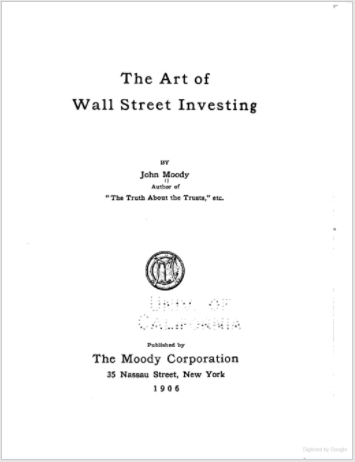
John Moody’s 1906 classic is a guide to the hazards, mistakes, and lessons of investing in the early 1900s. It’s a detailed account of how much, and yet how little, investing has changed over the last century.
-
Richer, Wiser, Happier by William Green
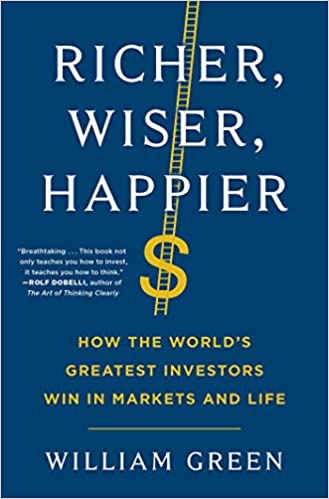
William Green draws from the greatest investors to teach not only the lessons of their investment success but how those lessons crossover into how we make decisions in other areas of our lives.
-
The Pitfalls of Speculation by Thomas Gibson
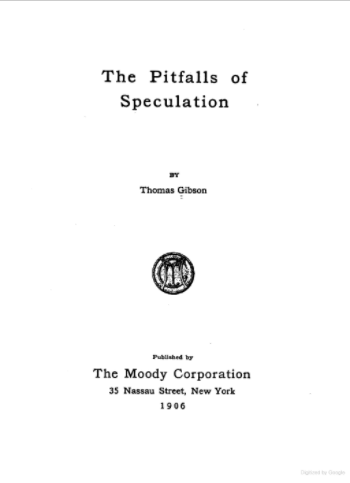
Thomas Gibson’s 1906 classic is the result of studying thousands of speculative accounts over a ten-year period. It sits as a timeless warning on the numerous mistakes investors make in the stock market.
-
Baruch: My Own Story
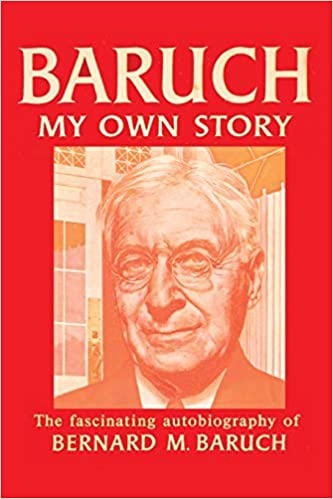
My Own Story is the first volume of the autobiography of Bernard Baruch. Known as the Lone Wolf, Baruch amassed a fortune on Wall Street as a speculator and dealmaker, and later, as a lone investor before entering the public life managing the economic mobilization of WWI and advisor to presidents.
-
The Davis Dynasty by John Rothchild

The Davis Dynasty is a story about Shelby Collum Davis and his family. The author mixes Davis’s story of how, over a 47-year investing career, he made a fortune with the market history he faced along the way.
-
Ice Age by John & Mary Gribbin

Ice Age details the history of the discovery of the cycle of ice ages. It covers the people behind it and what causes the Earth to cycle from extended periods of a cooler ice age to a warmer interglacial and back again.
-
Estate Planning Study Guide
Contains the notes on the Estate Planning study book material for the CFP Board Exam. Topics cover the many ways to effectively and efficiently transfer wealth regarding probate and around the gift and estate taxes.
-
Retirement Planning Study Guide
Contains the notes on the Retirement Planning study book material for the CFP Board Exam. It covers the numerous qualified and non-qualified retirement plan options and additional employee benefits.
-
Income Tax Planning Study Guide
Contains the notes on the Investment Planning study book material for the CFP Board Exam. It wades through the absurd complexity of the U.S. tax code as it relates to individuals and entities.
-
Investment Planning Study Guide
Contains the notes on the Investment Planning study book material for the CFP Board Exam. Topics range from investment characteristics and risks, valuation basics, portfolio theory, and behavioral finance.
-
Insurance Study Guide
Contains the notes on the Insurance study book material for the CFP Board Exam. Topics include life, disability, health, auto, P&L, annuities, and Social Security.
-
Big Mistakes: The Best Investors and Their Worst Investments by Michael Batnick
Big Mistakes shows even the best investors make costly mistakes. It tells the stories of how some of the most famous, and infamous, investors failed miserably and the lessons we can learn from their biggest mistakes.
-
The Man Who Solved the Market by Gregory Zuckerman

Gregory Zuckerman tells the story of Jim Simons and the brainpower behind Renaissance Technologies and the Medallion Fund — the most successful hedge fund ever.
-
The Big Ones: How Natural Disasters Have Shaped Us by Dr. Lucy Jones

Natural disasters shape the planet in many ways. The Big Ones details some of the biggest natural disasters in human history, how people were impacted, and how they responded to the randomness of each event.
-
The Theory of Stock Exchange Speculation by Arthur Crump

Arthur Crump warns of the many obstacles, behavioral and otherwise, speculators face in the markets. The 1874 classic sits as another example that speculating has been a difficult endeavor for a very long time.
-
Enough: True Measure of Money, Business, and Life by John Bogle

Bogle’s Enough draws from a lifetime of wisdom to reflect on the excesses of a financial system that led to the 2008 crisis and reminds readers of the benefits of a less greedy, long-term, client-first system (society) where success in life is defined by more than just money.
-
Deep Value by Tobias Carlisle
Deep Value explains, through numerous case studies and backed by data, why the counterintuitive approach of a traditional (deep) value strategy uncovers the most promising investment opportunities with limited risk.
-
Capital Account: A Money Manager’s Reports on a Turbulent Decade 1993-2002 by Marathon
Capital Account is a selection of reports by Marathon Asset Management. The reports introduce their capital cycle approach to investing and explain the impact the cycle had on businesses, markets, and investors during the late 1990s bubble.
-
The Facts about Speculation by Thomas Gibson

Thomas Gibson warns of the repeated mistakes often made when people speculate in the market. The classic, written in 1923, adds historical context to what’s been known for a long time.
-
The Most Important Thing: Uncommon Sense for the Thoughtful Investor by Howard Marks
Howard Marks’s The Most Important Thing lays the groundwork for being a successful investor. He details the investment principles needed to tackle the complexity of markets and investing.
-
Mastering the Market Cycle by Howard Marks

Howard Marks explains the pattern of cycles found throughout market history. An investor who understands the different cycles — the history, the driving factors, their interconnectedness, and the role of psychology — can avoid common errors and best position their portfolio for success.
-
Reminiscences of a Stock Operator by Edwin Lefèvre
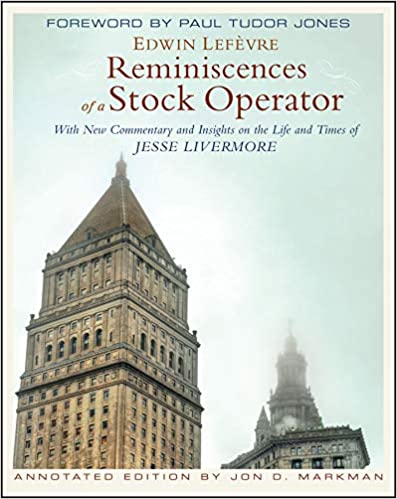
Edwin Lefevre’s fictionalized account of Jesse Livermore is a classic. It shares timeless principles on trading in markets while warning of the biggest obstacle that plague speculators and investors alike — human nature.
-
Once in Golconda by John Brooks
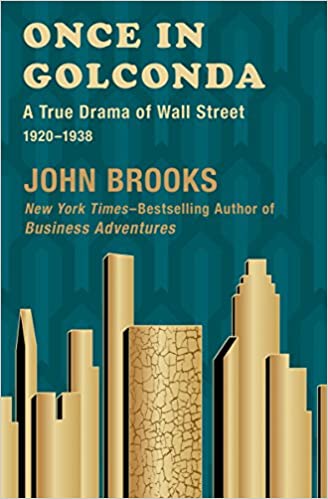
John Brooks chronicles the 1920s bull market, its key players including Richard Whitney, the aftermath following the Great Crash of 1929, and how the events of that era transformed Wall Street.
-
Psychology of Intelligence Analysis by Richards J. Heuer, Jr.

Humans handle uncertainty poorly. Richard Heuer explains how inherent biases in our thought process work against us, that knowing about the biases is no help, but processes can be built to improve critical thinking.
-
John H. Patterson: Pioneer in Industrial Welfare by Samuel Crowther
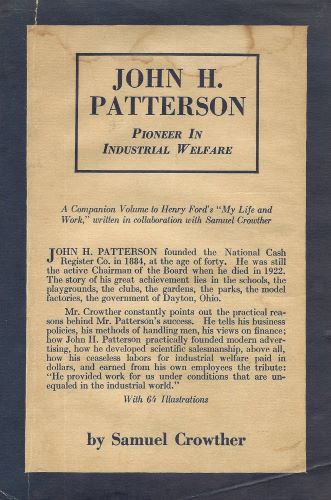
John Henry Patterson was an American industrialist. He bought a floundering cash register company and turned it into a global success while pioneering advertising, sales, and other business practices still used today.
-
The Interpretation of Financial Statements by Benjamin Graham

Published in 1937, Ben Graham covers the basics of accounting and financial statements. It’s a condensed guide on reading the balance sheet and income statement, explaining common metrics, and tips on how to determine the soundness of a company.
-
How to Take a Chance by Darrell Huff
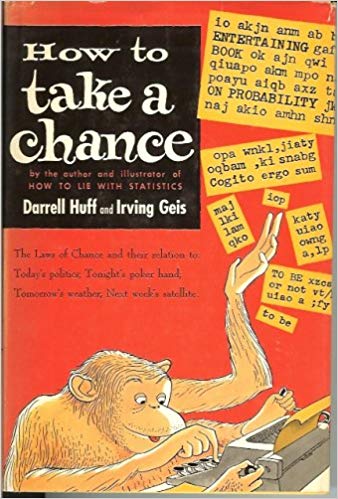
Darrell Huff offers an introduction to the theory of probability that you can find in all aspects of life. He weaves in bits of humor and literature to explain the different concepts with real-life examples of coin tosses, card games, roulette, and dice that should help you avoid expensive mistakes.
-
Margin of Safety by Seth Klarman
Seth Klarman’s rare classic is about managing risk. Borrowing Ben Graham’s primary concept for the title, the book expands on the value investing philosophy and why it’s so successful.
-
Buffett Partnership Letters by Warren Buffett

The Buffett Partnership Letters are classic reading for any value investor. Readers get an inside view of Warren Buffett’s investment philosophy — seeing where it did and did not evolve — early in his career.
-
Lombard Street: A Description of the Money Market by Walter Bagehot
First published in 1873, Walter Bagehot describes the intricacies of the money market and, more importantly, the necessary response when managing a financial crisis.
-
The Big Secret for the Small Investor by Joel Greenblatt
Joel Greenblatt explains why the average investor has an advantage over the pros with this introduction to investing. He covers the different methods for valuing a business, the limits of mutual funds, how different index fund weightings work, the (mis)behavior of investors, and why a long term perspective is so important.
-
Quantitative Momentum by Wesley Gray & Jack Vogel
Gray and Vogel introduce the theory behind momentum, what drives the effect, why it should persist, and how to build an improved quantitative momentum strategy that exploits the sustainable edge in investor misbehavior.
-
The Intelligent Investor by Benjamin Graham
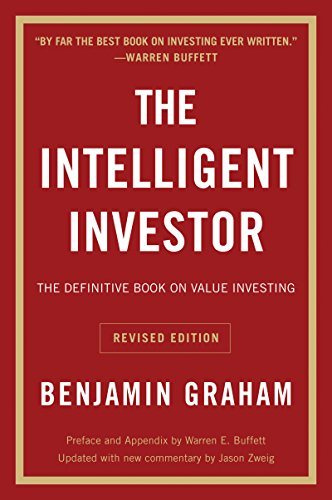
Benjamin Graham’s classic was first published in 1949. Graham wanted to teach investors the basic principles needed to navigate markets. In doing so, he teaches investors how to manage themselves.
-
Letters from a Self-Made Merchant to His Son by George Horace Lorimer

Letters from a Self-Made Merchant relates the fictitious correspondence of John Graham, a wealthy Chicago pork packer, to his son. The elder Graham shares some timeless advice with his son on business, career, college, and life.
-
Common Stocks As Long Term Investments by Edgar Lawrence Smith
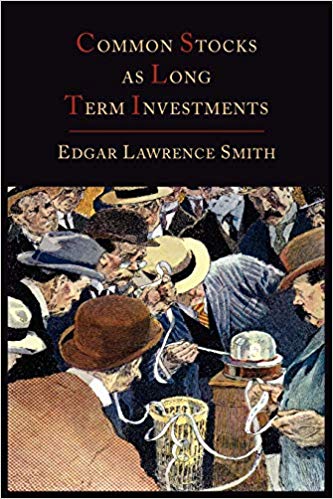
Edgar Lawrence Smith set out to prove a theory, only to fail. But, in failure, he discovered that stocks had a hidden advantage over bonds in the long run. His work was published in 1924 and influenced the late ’20s market boom.
-
The Battle for Investment Survival by Gerald Loeb

Gerald Loeb takes the contrary view that preservation capital requires some level of speculation to earn a return high enough to overcome the inevitable “losses” investors will experience in their lifetime.
-
Quantitative Value by Wesley Gray & Tobias Carlisle
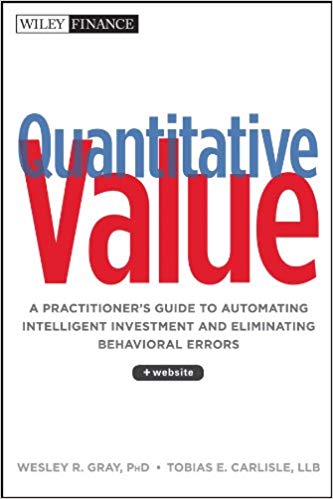
All investors are susceptible to behavioral mistakes that then leads to poor returns. Gray and Carlisle create a quantitative value strategy that exploits the typical investors’ flaws while building temperament into the model.
-
The Art of Investing by John F. Hume
John Ferguson Hume warns readers on many ways to lose money investing and speculating. The book represents a historical glimpse into Wall Street of the late 1800s and the timeless lessons of investor behavior.
-
The Acquirer’s Multiple by Tobias Carlisle

Tobias Carlisle breaks down how investors like Warren Buffett, Carl Icahn, and others take advantage of the powerful force in markets known as mean reversion, why it exists, the opportunities it creates, and how a deep value strategy captures it.
-
Where Are The Customers’ Yachts? by Fred Schwed Jr.
Fred Schwed delivers a cynical, sarcastic, insiders perspective on the business of Wall Street. His book stands as a timeless warning to investors and speculators alike.
-
Psychology of the Stock Market by G.C. Selden
G.C. Selden’s timeless book describes the influence human nature has on markets and what investors/traders must do to overcome potential behavioral errors to be successful. It’s as relevant today as it was when it was published in 1912.
-
A Short History of Financial Euphoria by John Kenneth Galbraith

John Kenneth Galbraith journeys through the recurring theme of speculative mania and financial ruin inherent in markets, His big picture view describes the common features associated with most euphoric episodes.
-
The Lessons of History by Will & Ariel Durant
Will and Ariel Durant wrote the Lessons of History as a survey of human experience throughout history and the role human nature played in evolving and shaping civilization.
-
The Fish That Ate the Whale by Rich Cohen

Rich Cohen tells the story of a Russian immigrant, Sam Zemurray, who saw an opportunity in the banana business and seized it. Along the way, he out-hustled and out-innovated the giant of the industry, United Fruit.
-
Concentrated Investing by Benello, Van Biema, Carlisle
Concentrated Investing profiles eight investors with different investment styles to figure out the principles behind their returns. Was it due to their behavior, the source of capital, the number of investment, or position sizing? The authors answer those questions then look at what the data says.
-
The Zurich Axioms by Max Gunther
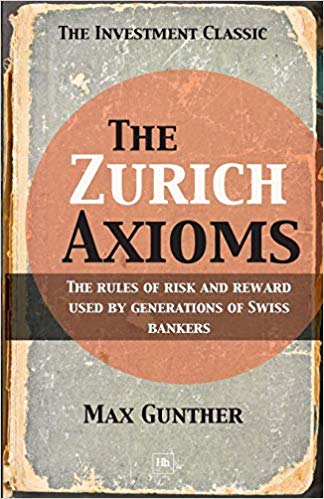
The Zurich Axioms is a book about managing risk and reward. Twelve “axioms” define how to think about risk and uncertainty in such a way that you’re more likely to be rewarded than not.
-
Confusion De Confusiones by Joseph De La Vega

Joseph De La Vega’s Confusion De Confusiones is the earliest known book on the trading practices of a stock market. Set as four separate conversations between three people, you get a sense of what investing and speculating was like in the mid to late 1600s.

Book Notes
This page is a work in progress.
The page contains a list of notes from books. A sentence or two summarizes each book. Click the linked title to get the notes.
I have no idea how useful these book notes will be for you but they are immensely helpful for me. The notes are by no means all-inclusive and do not replace the book. It’s simply a list of thoughts and ideas from the book that struck me as interesting at the time of reading. If I read the book again today, the notes might look completely different.